As a real estate agent, you’re not just selling properties—you’re selling a dream and a lifestyle!
But how well do you understand the forces shaping that investment?
Macro-economic trends, though seemingly distant from the day-to-day world of showings and closings, play a crucial role in the health of the real estate market.
Whether you're guiding a first-time homebuyer, a seasoned investor, or a commercial client, recognizing these trends can give you a competitive edge.
In this blog, we'll break down some key macro-economic factors—interest rates, inflation, unemployment rates, and global market influences—that can impact your real estate business. We’ll also discuss how you, as a savvy real estate agent, can navigate these trends to your advantage.
1. Interest Rates: The Market’s Pulse

(Photo from Pavey Law)
Interest rates are the heartbeat of real estate. When they’re low, buyers get excited, more people can afford mortgages, and demand soars. When they rise, well, things can slow down quickly. That’s because interest rates directly affect mortgage rates, which in turn influence the affordability of homes.
For instance, in 2020-2021, we saw record-low interest rates, which fueled a boom in home buying and refinancing activity. Suddenly, buyers could afford more expensive homes due to lower monthly payments. As rates climb, however, buyers may find themselves priced out of the market, leading to a slowdown in sales.
Your strategy: Keep a close eye on interest rate trends and anticipate their effects. When rates are low, use this to motivate buyers who may be on the fence, emphasizing that "now is the time" to secure a favorable mortgage. When rates are rising, focus on educating your clients about the long-term stability of their investment, rather than short-term fluctuations. Offering insights on adjustable-rate mortgages (ARMs) vs. fixed rates can position you as a trusted advisor.
2. Inflation: The Silent Game Changer

(Photo from LinkedIn Pulse)
Inflation might sound like an economist’s headache, but it’s essential to the real estate puzzle. In periods of rising inflation, the cost of goods and services increases, which often leads to higher property prices. It also erodes the purchasing power of money, meaning today's dollar might not go as far tomorrow.
For real estate, inflation can work both ways. On the one hand, real estate is often seen as a hedge against inflation, with property values appreciating over time. On the other hand, inflation drives up costs for new construction, which can limit housing supply and push prices even higher.
Your strategy: If inflation is rising, inform your buyers and investors that real estate remains one of the few assets that tend to appreciate over time. For sellers, it’s a good time to highlight the increased value of their property. Also, for your investor clients, inflation can create an opportunity to invest in rental properties, as rent prices often rise alongside inflation.
3. Unemployment Rates: The People Factor
No buyers, no market—that’s the harsh reality of a weak job market. Unemployment rates directly affect the real estate sector because, without stable jobs, people are less likely to make significant investments like purchasing homes or commercial properties.
When unemployment is high, it’s common to see a decline in homeownership, a rise in rental demand, and a softening of home prices. During the pandemic, for instance, despite low interest rates, the uncertainty around job security left many potential buyers on the sidelines.
Your strategy: Pay attention to local unemployment trends and be proactive in adjusting your marketing and sales strategies. In high-unemployment periods, it’s smart to focus on rental properties or multi-family homes that cater to renters who may not be in a position to buy just yet. For buyers, emphasize value and long-term potential, especially if the employment landscape looks promising for the future.
4. Global Markets: The Ripple Effect
(Photo from Dominium Land)
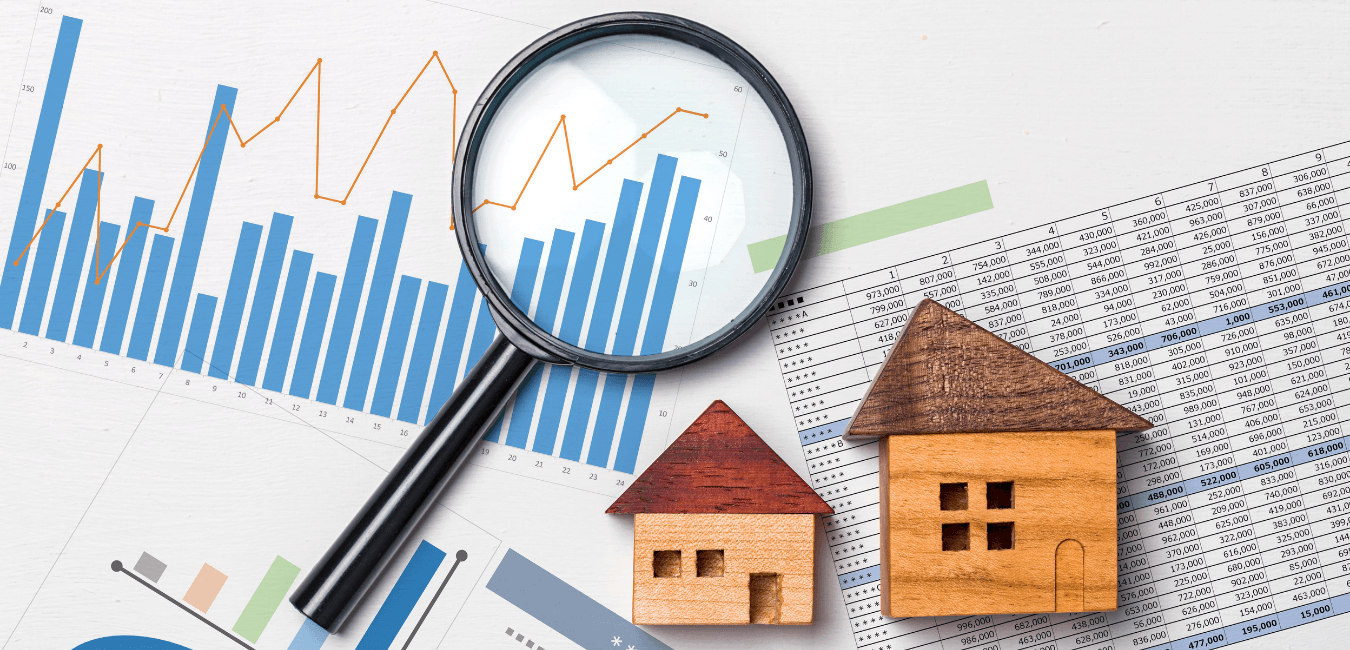
You may be wondering, "Why should I care about what’s happening in other countries?" Well, global market trends can affect everything from material costs to foreign investment in local properties. For example, supply chain disruptions—think lumber shortages—can increase the costs of new home construction. Meanwhile, foreign buyers, particularly from countries with volatile markets, often look to U.S. real estate as a safe investment.
The global economy also affects real estate through the availability of financing. When international investors pull back, local lenders can tighten their credit requirements, making it harder for buyers to secure loans.
Your strategy: Keep an eye on global market conditions, particularly if you're in a city that attracts foreign investment or relies heavily on new construction. If the international economy is strong, reach out to foreign buyers, positioning U.S. real estate as a safe bet. If global supply chains are disrupted, advise clients about possible delays in construction timelines or rising renovation costs.
5. Government Policy: The Wild Card
Government policies—think tax reforms, interest rate adjustments, housing incentives, or zoning laws—can dramatically impact the real estate market. Tax breaks for first-time buyers or changes in capital gains tax can make or break a deal. Meanwhile, policies aimed at cooling housing markets, such as limiting foreign investment or instituting rent controls, can reduce demand or restrict inventory.
For example, the 2008 financial crisis triggered a wave of new regulations in the mortgage industry, making it harder for people to qualify for loans. Fast forward to 2020, and many governments introduced policies to keep the housing market afloat during the pandemic, including mortgage forbearance programs and eviction moratoriums.
Your strategy: Stay updated on local and federal policies that affect the real estate market. This could include tax incentives for first-time homebuyers, affordable housing programs, or upcoming zoning changes. When you’re on top of these shifts, you can advise clients with confidence and help them seize opportunities that may not be obvious.
Conclusion: Be the Expert Your Clients Need

(Photo from FL Fuller Landau)
Understanding macro-economic trends isn't just for economists; it's crucial for real estate agents who want to scale their business and better serve their clients. By staying informed about interest rates, inflation, unemployment, global market trends, and government policies, you can provide valuable insights that go beyond the basics of property value and neighborhood data.
Position yourself as the agent who not only knows the local market but also understands the bigger picture. Your clients will appreciate the added value you bring, and you’ll find yourself better equipped to navigate the ever-evolving real estate landscape.
As always, thank you guys so much for taking the time to read this blog post - we here at Transactly are always grateful for the support! Stay tuned for more content coming every Monday, Wednesday, Friday, and Saturday.
We'd also like to list down the following sites that provided the inspiration for this blog post - go give them a read as well:
Forbes: https://www.forbes.com/councils/forbesfinancecouncil/2023/10/13/global-macroeconomic-impact-on-us-real-estate-and-urbanism/
Investopedia: https://www.investopedia.com/articles/mortages-real-estate/11/factors-affecting-real-estate-market.asp
LinkedIn Pulse: https://www.linkedin.com/pulse/macro-economic-factors-how-do-influence-real-estate-market/
