In the ever-changing world of real estate, success doesn’t happen by accident.
Whether you're a seasoned agent or just starting out, keeping a pulse on your business performance is crucial.
This is where Key Performance Indicators (KPIs) come into play - they help you understand how well you're doing in specific areas of your real estate business.
But why is tracking these KPIs so important? How do they actually help you grow your business? And which ones should you be focusing on? Let’s delve deeper into the details.
Why KPIs Matter in Real Estate

(Photo from LinkedIn Pulse)
1. Guiding Your Business Strategy
KPIs are like your business’s GPS. They tell you where you are, how far you've come, and where you need to go next. By tracking your KPIs, you can see what’s working, what isn’t, and what needs adjustment. Without these metrics, you’re essentially driving blind, making it difficult to set realistic goals or develop strategies that lead to success.
For example, if your KPI shows that your lead conversion rate is lower than industry standards, it’s a clear signal that you need to tweak your sales strategy or improve your follow-up processes. On the other hand, if your KPI shows that your client retention rate is high, you know that your customer service efforts are paying off, and you might consider doubling down on those initiatives.
2. Enhancing Accountability
When you track your KPIs, you hold yourself accountable to specific goals. This accountability is vital, especially in real estate, where motivation can fluctuate and distractions are plentiful. If you set a goal to close ten deals in a quarter and track your progress regularly, you're far more likely to stay focused and achieve that goal.
Additionally, if you work with a team, KPIs foster a culture of accountability. Everyone knows what’s expected of them, and their performance is tracked against these expectations. It creates a transparent environment where success is measurable, and contributions are clear.
3. Improving Time Management
Real estate agents often juggle multiple tasks at once—prospecting, marketing, client meetings, showings, paperwork, and more. With so many responsibilities, it’s easy to lose track of where your time is going. KPIs can help you identify time-wasting activities and prioritize tasks that drive results.
For instance, by tracking your time spent on lead generation versus closing deals, you might discover that a disproportionate amount of time is spent on cold leads that rarely convert. This insight allows you to refocus your energy on higher-yield activities, improving your overall efficiency and productivity.
4. Boosting Motivation
There’s something incredibly motivating about watching your progress unfold in real-time. When you see your KPIs improving—whether it’s an increase in closed deals, higher commission earnings, or a growing client base—it fuels your drive to keep pushing forward.
On the flip side, if your KPIs reveal that you're falling short in certain areas, it can serve as a wake-up call, prompting you to take action before minor issues become major problems. Either way, KPIs provide a clear picture of where you stand, helping you stay motivated and on track.
Key Real Estate KPIs to Track
(Photo from Plecto)
Now that you understand the importance of tracking KPIs, let’s talk about which ones are most relevant to real estate agents. While the specific KPIs you choose to monitor may vary depending on your business model and goals, here are some of the most critical ones to consider:
1. Leads Generated
This KPI tracks the number of new leads you bring in over a specific period. It’s a fundamental metric because without a steady stream of leads, you won’t have prospects to convert into clients. Tracking this KPI helps you evaluate the effectiveness of your marketing efforts and identify which channels are most fruitful.
2. Lead Conversion Rate
Generating leads is only half the battle. The lead conversion rate measures the percentage of leads that turn into actual clients. This KPI is crucial because it reflects the efficiency of your sales process. If your conversion rate is low, it may be time to revisit your sales pitch, follow-up strategy, or the quality of leads you're targeting.
3. Average Transaction Value
This KPI indicates the average dollar amount per closed deal. Monitoring this helps you understand the quality of your transactions and can guide you in targeting higher-value clients or properties. A rising average transaction value usually correlates with higher commissions and business growth.
4. Listings to Sales Ratio
This ratio compares the number of properties listed to those sold. A high ratio indicates that you're listing more properties than you're selling, which might signal a need to improve your marketing strategies or pricing methods. Conversely, a low ratio suggests that your listings are selling well, reflecting strong market demand or effective sales techniques.
5. Client Satisfaction
Client satisfaction is a qualitative KPI but one that’s incredibly important. Happy clients lead to repeat business and referrals, which are the lifeblood of a successful real estate career. Tracking client satisfaction through surveys, reviews, or direct feedback allows you to pinpoint areas where you excel and where improvements are needed.
6. Time to Close
This KPI measures the average time it takes from listing a property to closing the deal. A shorter time to close generally indicates a healthy market and effective sales strategies. However, if this number starts to climb, it may be time to reassess your approach, whether it’s pricing, marketing, or client communication.
Conclusion

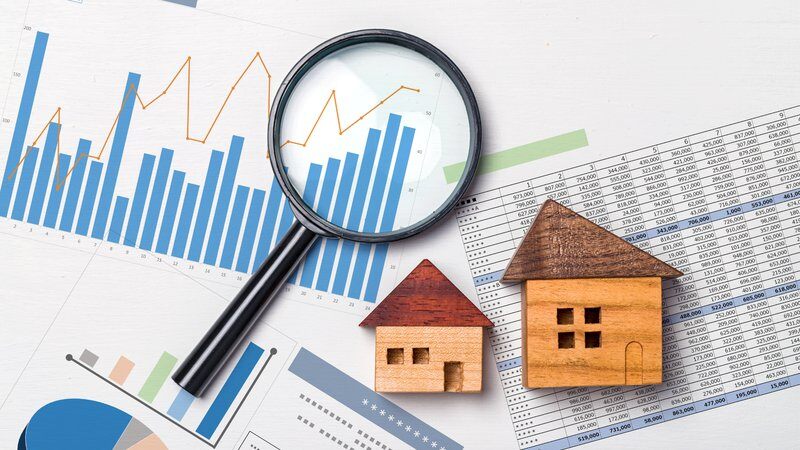
(Photo from ProGlobal)
In the competitive world of real estate, knowledge is power. Tracking your KPIs gives you the insights needed to steer your business in the right direction, hold yourself accountable, and maximize your time and resources. By focusing on the right metrics, you can make informed decisions that lead to greater success and long-term growth.
So, don't let your business run on autopilot. Start tracking your KPIs today, and watch as you turn data into dollars, one metric at a time.
Deal Machine: https://www.dealmachine.com/blog/tracking-kpis
LinkedIn Pulse: https://www.linkedin.com/pulse/importance-tracking-progress-real-estate-agents-dylan-gilezan/
Toucan Toco: https://www.toucantoco.com/en/blog/real-estate-kpis
